

Best Wood for Pooja Room Doors: Complete Guide for Indian Homes
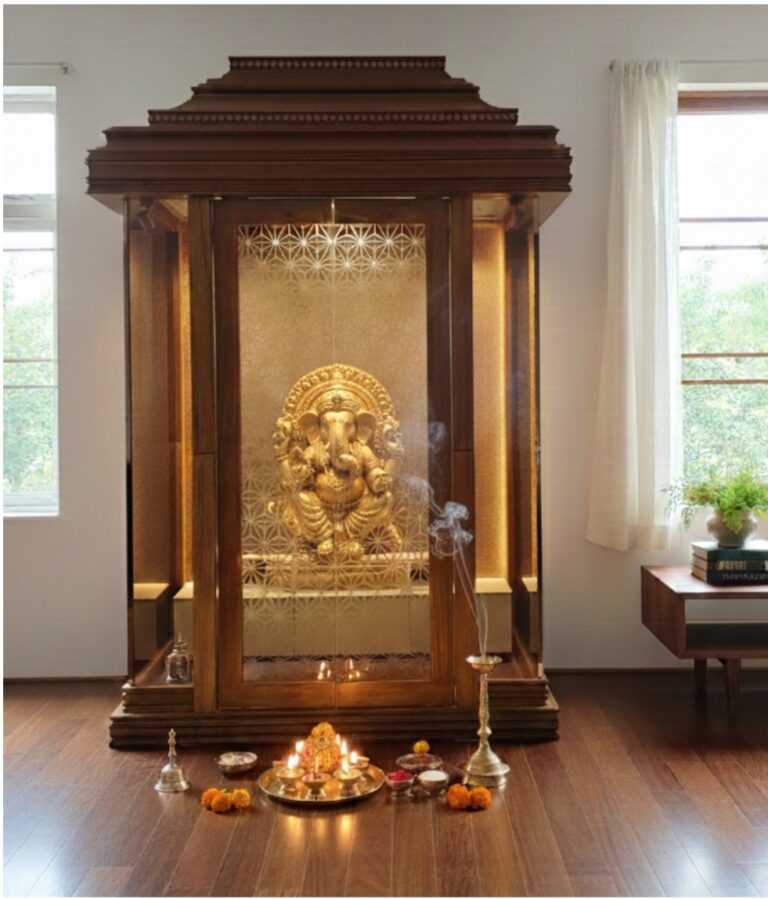
Your pooja room is the most sacred space in your home—a sanctuary where devotion meets peace. Choosing the right door for this spiritual area goes beyond aesthetics; it’s about creating an entrance that honors tradition while meeting practical needs. Understanding your options in wooden pooja doors and glass designs helps you make the perfect choice.
Premium Woods for Pooja Doors
1. Burma Teak – The Sacred Choice
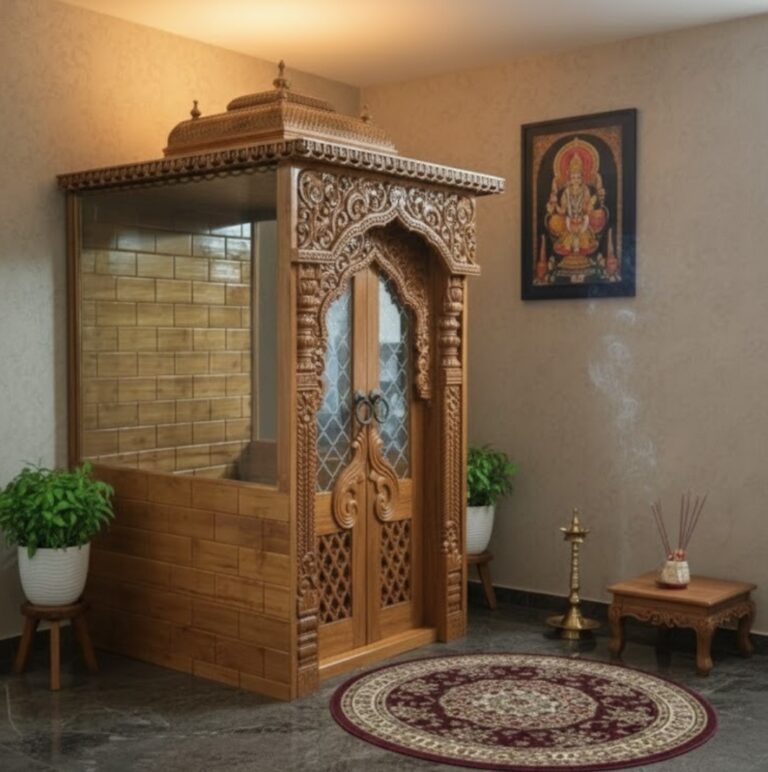
Burma Teak stands as the most auspicious wood for pooja room doors. Revered in Hindu tradition for temple construction, this premium wood combines spiritual significance with unmatched durability. Its natural golden-brown hue and tight grain create doors that become more beautiful over decades.
Why Burma Teak:
- Sacred in Hindu tradition
- 40+ year lifespan
- Natural termite and moisture resistance
- Perfect for intricate deity carvings
- Withstands Indian climate variations
Pricing: ₹18,000 – ₹55,000 (standard size). Premium hand-carved doors: ₹35,000 – ₹75,000.
2. Mahogany – Traditional Elegance
Mahogany wood offers rich reddish-brown tones perfect for traditional homes. Excellent for carved religious symbols with 30+ year durability.
Pricing: ₹12,000 – ₹40,000
3. Oak – Strength & Character
Oak wood provides exceptional strength and distinctive grain patterns. Durable and versatile for both modern and traditional designs.
Pricing: ₹10,000 – ₹35,000
4. Ash Wood – Modern Simplicity
Ash wood offers light, neutral tones ideal for contemporary pooja rooms. Clean aesthetics with good durability.
Pricing: ₹9,000 – ₹30,000
Special Note: While Burma Teak is our primary recommendation for pooja doors, woods like Mahogany, Oak, and Ash can be considered for specific modern pooja door designs where the wood requirement itself is minimal.
5. Border Teak – Premium Alternative
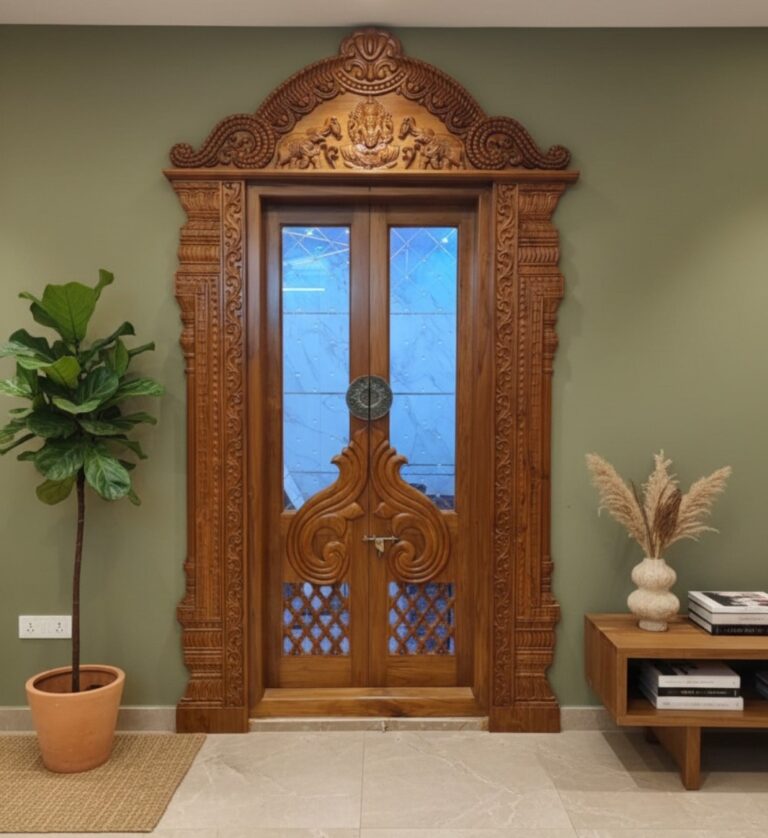
Border Teak(African Teak) offers excellent quality at more accessible pricing than Burma Teak. Good durability and similar appearance.
Pricing: ₹15,000 – ₹60,000
6. Honne Wood (Merbau) – Value Hardwood
Honne wood provides rich dark tones and good termite resistance. Excellent value for traditional pooja doors.
Pricing: ₹12,000 – ₹50,000
Glass Pooja Doors: Contemporary Elegance
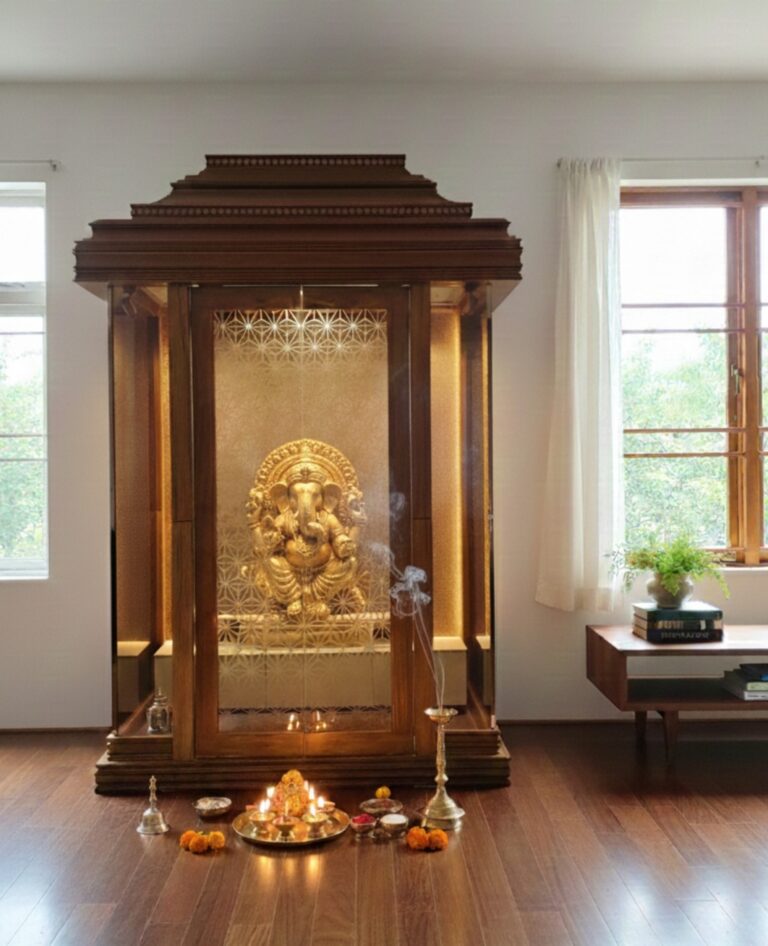
Honne wood provides rich dark tones and good termite resistance. Excellent value for traditional pooja doors.
Glass Options
Tempered Glass with Wooden Frame
Safety glass combined with traditional wood frames. Best of both worlds.
Frosted Glass with Religious Motifs
Privacy with elegance. Om, Swastik, or lotus symbols etched beautifully.
Stained Glass Designs
Traditional colors create divine ambiance with filtered sunlight.
Teak Frame + Glass Panels
Premium Burma Teak frame with glass inserts—durability meets brightness.
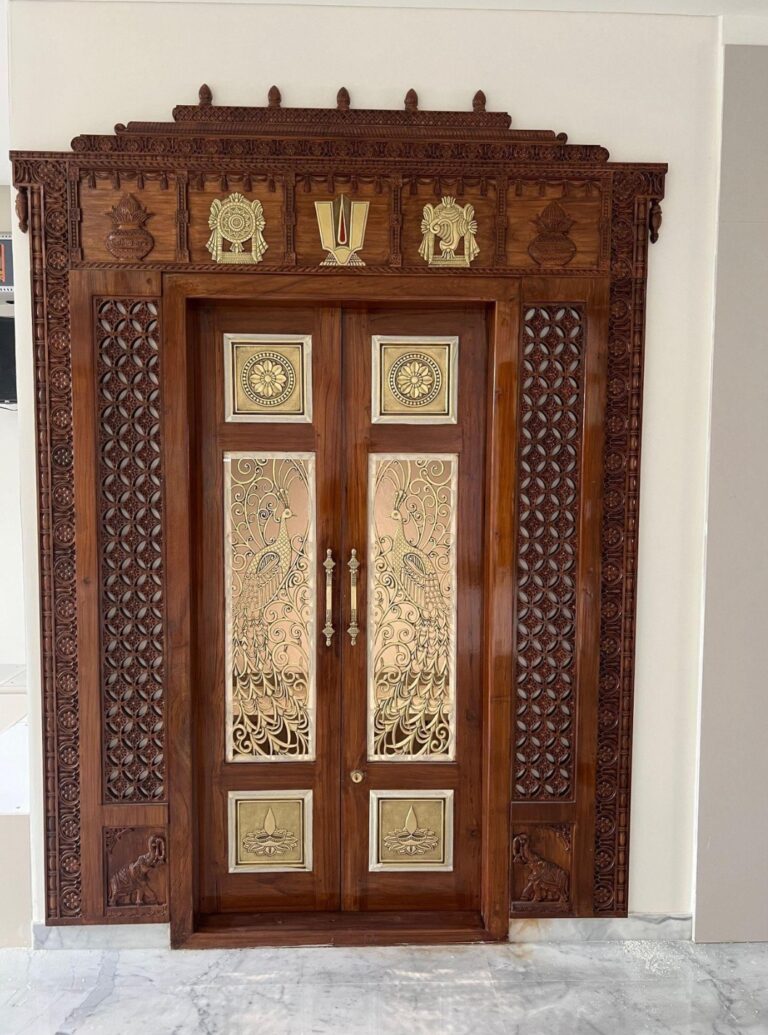
Design Elements
Traditional Jaali Work
Jaali patterns allow ventilation and filtered light while maintaining privacy, connecting to ancient temple architecture.
Sacred Carvings:
- Om symbol – Universal sacred sound
- Lotus flowers – Purity and enlightenment
- Kalash – Auspiciousness
- Deity images – Ganesha, Lakshmi
- Swastik – Prosperity
Burma Teak is ideal for deep, intricate carvings.
Vastu Guidelines
- Doors should face East (prosperity) or North (spiritual growth)
- Standard size: 6.5-7 feet height, 2.5-3 feet width
- Two-panel doors more auspicious
- Natural wood tones or gold accents preferred
Maintenance Tips
Wooden Doors:
- Repolish frequency to be decided dependinng on type of Polish and the degree of wearout
- Dust weekly with soft cloth
- Keep away from water
- Check hinges yearly
Glass Doors:
- Clean bi-weekly with gentle cleaner
- Wipe water droplets immediately
- Polish brass fittings monthly
Making Your Choice
Budget:
- Premium: Burma Teak (₹18,000+) – Lifetime investment
- Mid-Range: Mahogany/Oak/Border teak/Honne (₹10,000-60,000)
- Modern: Ash + Glass (₹15,000-35,000)
Spiritual Preference:
Burma Teak carries maximum traditional significance for orthodox practices.
Space:
Small rooms benefit from glass elements maximizing light. Larger mandirs suit solid carved doors.
Climate:
Coastal/humid areas: Burma Teak (natural moisture resistance)
Dry regions: Mahogany/Oak with proper finishing
Custom Solutions
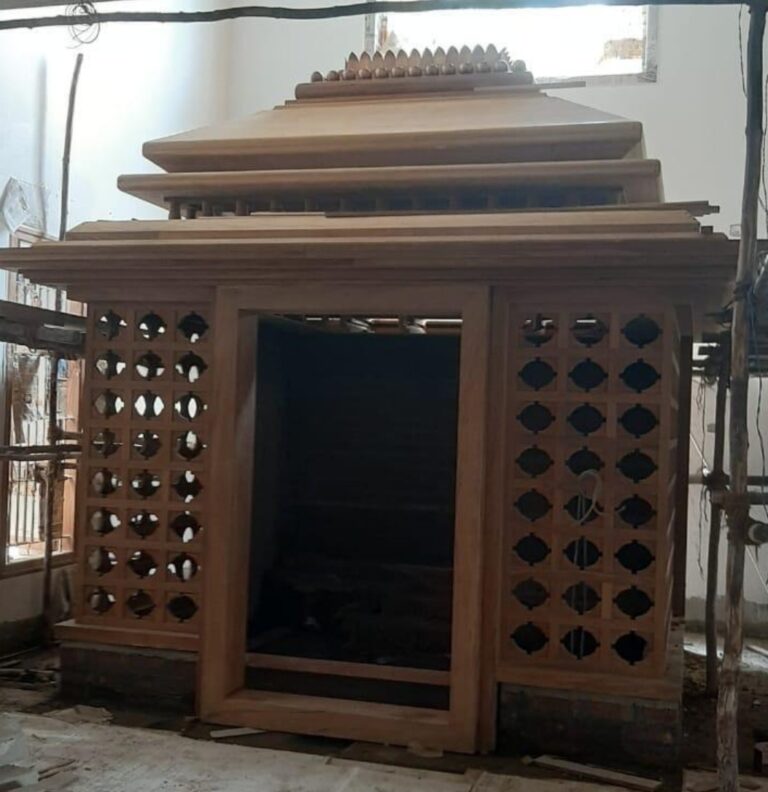
Custom craftsmanship allows exact dimensions, specific religious carvings, premium wood grades, and matching your interior. Burma Teak doors last 40+ years, becoming family heirlooms that justify the investment.
Using sacred woods like Burma Teak shows respect for tradition and creates positive spiritual energy benefiting your household.
Visit timber specialists in Bangalore for custom pooja doors in Burma Teak, Mahogany, Oak, Border Teak, Honne and Ash.
7 Most Asked Questions About Pooja Room Doors
Wooden doors range ₹9,000-₹75,000. Burma Teak costs ₹18,000-55,000, Oak/Ash start at ₹9,000-30,000.
Burma Teak is most sacred in Hindu tradition—used in temples, offers spiritual significance plus 40+ year durability.
Glass doors range ₹12,000-50,000. Frosted designs ₹15,000-40,000, teak frame combos ₹20,000-50,000.
Yes. Lasts 40+ years, naturally termite-resistant, carries spiritual significance, becomes family heirloom.
6.5-7 feet height, 2.5-3 feet width. Face East or North. Two-panel doors more auspicious.
Yes! Burma Teak frame with Ash panels, or Mahogany with glass inserts work beautifully.
Burma Teak: 40+ years, Mahogany: 30-35 years, Oak: 25-30 years, Ash: 20-25 years.
Related Post
 Solid Wood Flooring in Bangalore: Types, Cost & Installation Guide
 How to Identify Teak Wood: 7 Easy Ways to Check Real Teak
 African Teak Wood Price in Bangalore (2026): Complete Buying Guide
 Top Wood Door Manufacturers in Karnataka: How to Choose (2026)
 Buy Vascal Doors in Bangalore: Complete 2026 Buying Guide
 Best Wood for Doors and Windows in India: 2026 Comparison Guide
 Best Wood for Home Interiors in Bangalore: Complete Guide (2026)
 Wooden Pooja Room Doors in Bangalore: Designs, Price & Buying Guide
 Teak Wood Furniture Manufacturers in Bangalore: Types & Cost (2026)
 Buy Teak Wood Door Frames in Bangalore: Price & Types (2026)
 Window Shutters Bangalore: Prices, Types & Buying Guide (2026) | TFS World
 Burma Teak Wood Price in Bangalore (2026): Latest Rates & Buying Guide | TFS World
 Teak Wood Price Per CFT in Bangalore (2026): Latest Rates & Buying Guide | TFS World