

The Journey of Burma Teak: From Myanmar Forests to Your Bangalore Home
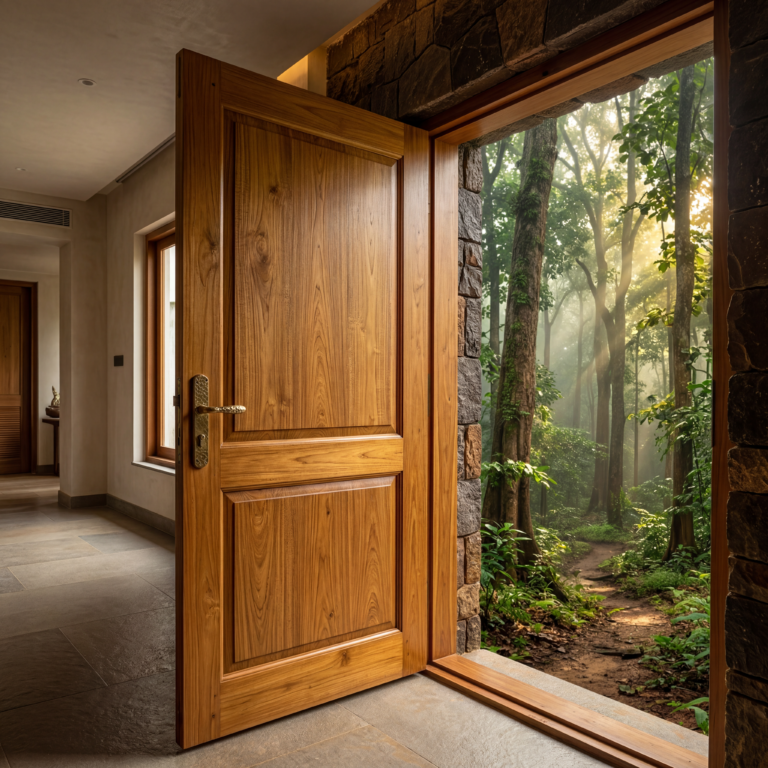
The Burma teak door frame you admire in a Bangalore home represents a remarkable journey spanning thousands of kilometres — from Myanmar’s natural monsoon forests, through complex post-2014 export regulations, to Mysore Road showrooms. Understanding this journey explains why genuine Burma teak remains Bangalore’s most sought-after timber despite significant price premiums.
Myanmar's Monsoon Forests: Where Burma Teak Begins
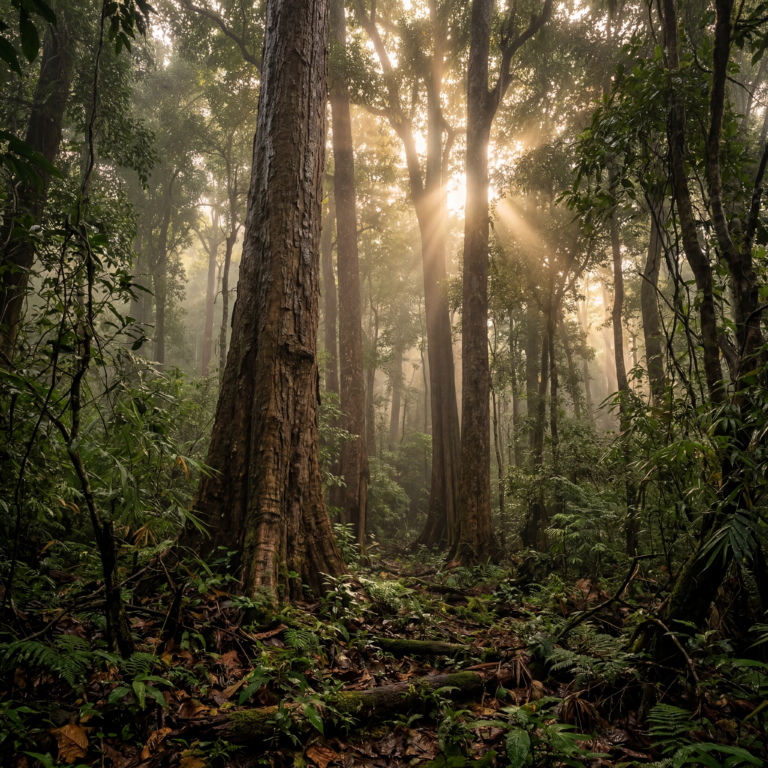
Burma teak Tectona grandis) grows naturally in Myanmar’s forests under conditions impossible to replicate in plantations. The combination of:
- 30-50 year growth cycles in monsoon climate
- Competition for sunlight and nutrients creates dense grain
- Natural selection eliminates weaker trees
- Seasonal flooding is forcing oil production for survival
These factors create timber with 2-3× higher natural oil content than plantation alternatives, explaining why Burma teakresists termites, moisture, and dimensional changes that destroy lesser woods in Indian climates.
Growth Environment Matters: Myanmar experiences 2,000-3,000mm annual rainfall concentrated in monsoon months. Trees develop protective oils to survive waterlogging. Bangalore’s climate (60-85% humidity swings, 15°C-35°C temperature ranges) mirrors aspects of this environment, which is why Burma teak performs exceptionally here while imported European or American hardwoods often fail.
April 2014: The Export Ban That Changed Everything
EXTERNAL LINK: Myanmar’s government banned raw timber exports in April 2014 to protect depleting forest resources and develop domestic manufacturing. This decision fundamentally altered Burma’s teak availability:
Before 2014:
- Logs exported directly to Indian sawmills
- Buyers purchased raw timber, processed locally
- Pricing: ₹8,000-₹12,000 per cubic foot
- Supply: Relatively abundant
After 2014:
- Only finished products allowed (doors, furniture, flooring)
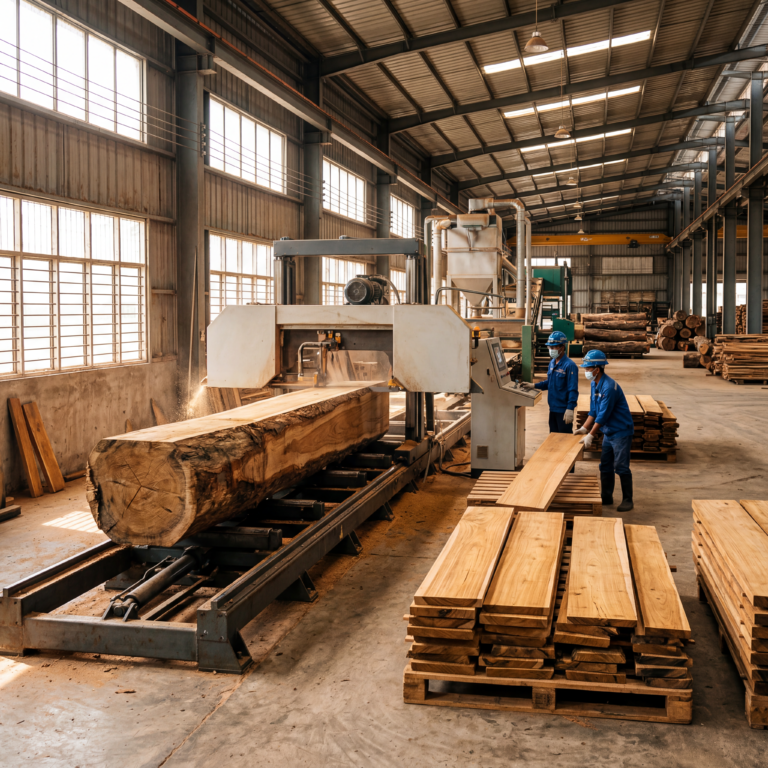
- Manufacturing must happen in Myanmar
- Pricing: ₹12,000-₹18,000 per cubic foot
- Supply: Limited to licensed Myanmar manufacturers
The ban wasn’t arbitrary — Myanmar’s teak forests were being harvested unsustainably. Today’s regulated system ensures forests regenerate while creating value-added manufacturing jobs in Myanmar.
The Modern Journey: From Forest to Bangalore
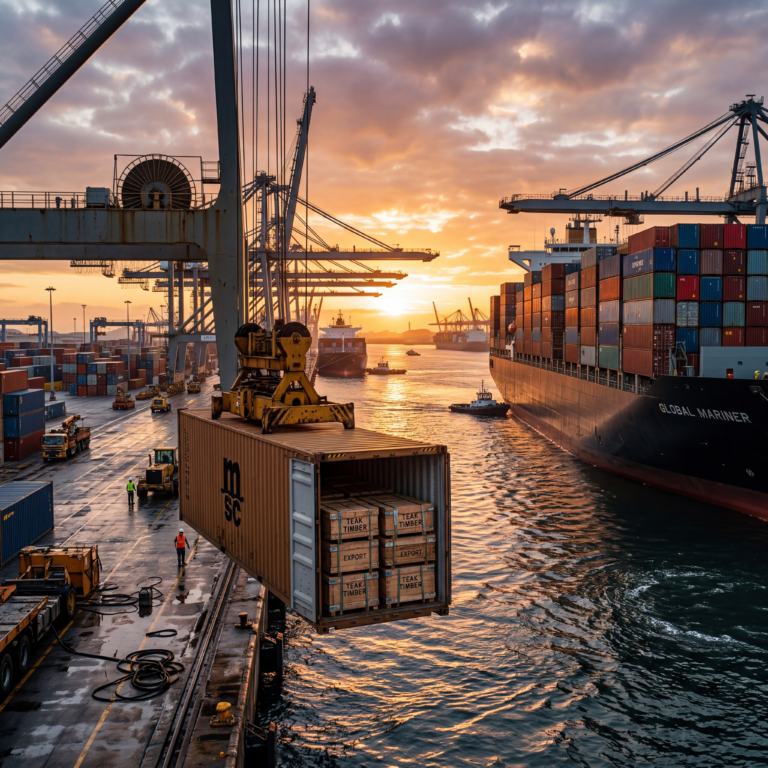
Stage 1: Controlled Harvesting Myanmar’s Forest Department auctions harvest rights for specific zones. Only trees meeting age (30+ years) and size requirements qualify. Each harvested tree receives documentation tracking it through the supply chain.
Stage 2: Myanmar Manufacturing Licensed facilities in Yangon, Mandalay, and other Myanmar cities process logs into finished products:
- Door frames and shutters
- Window frames and shutters
- Flooring planks
- Furniture components
- Carved decorative elements
Quality manufacturers (like those supplying TFS World) use kiln-drying, precision milling, and quality grading before export.
Stage 3: Port Entry to India Containers arrive at Chennai, Mumbai, or Kolkata. Indian Customs verifies documentation and collects import duties (8-10% on finished teak products). Suppliers like TFS World work with verified Myanmar suppliers.
Stage 4: Bangalore Distribution Bangalore suppliers either:
- Import directly from Myanmar manufacturers (requires established relationships and minimum order volumes)
- Purchase from importers in Chennai/Mumbai (smaller volumes, higher cost per unit)
TFS World at Metro Pillar 497, Mysore Road maintains inventory sourced through verified Myanmar suppliers.
Why Prices Vary So Dramatically
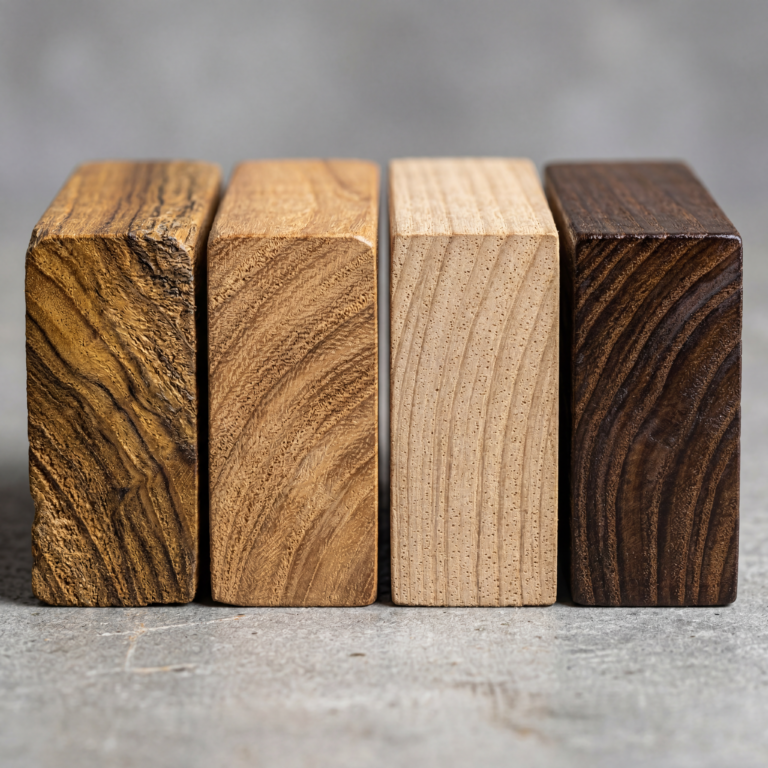
Walking through Bangalore timber markets and “Burma teak” prices range from ₹4,000 to ₹18,000 per cubic foot. Understanding what you’re actually buying:
Genuine Myanmar Burma Teak (₹12,000-₹18,000/cubic foot)
- Post-2014 imports as finished products
- High natural oil content
- Dense grain from slow growth
- Golden-brown colour deepening with age
African Teak (₹4,500-₹7,000/cubic foot)
- From Ghana, Tanzania, Ivory Coast plantations
- Genuine teak, but different growing conditions
- Lower oil content, faster growth
- Lighter colour, less dimensional stability
Plantation Teak (₹3,500-₹6,000/cubic foot)
- India, Indonesia, Thailand sources
- 15-20 year harvest cycles
- Lower density, reduced durability
- Cost-effective but shorter lifespan
Treated Imposters (₹5,000-₹9,000/cubic foot)
- African or plantation teak with oil treatment
- Stained to mimic Burma teak colour
- Treatment wears off in 6-18 months
- Sold as “Burma teak” without proper verification
The Investment Case: Why Pay Premium Prices?
Lifespan Economics:
- Burma teak door frames: 40-60+ years in Bangalore climate
- Plantation teak door frames: 15-25 years before dimensional problems
- African teak door frames: 20-30 years with periodic maintenance
Cost Over 40 Years:
- Genuine Burma teak: ₹15,000/cubic foot × 1 installation = ₹15,000
- Plantation teak: ₹5,000/cubic foot × 2-3 replacements = ₹10,000-₹15,000
- Labour, finishing, and reinstallation costs favour a single Burma teak purchase
Performance Advantages: Burma teak maintains dimensional stability through Bangalore’s monsoon humidity (85%) and winter dryness (60%), while plantation alternatives expand/contract causing:
- Door/window binding in monsoons
- Gaps and cracks in winter
- Joint failures at stress points
- Paint/finish deterioration
Burma Teak in Bangalore: Practical Applications
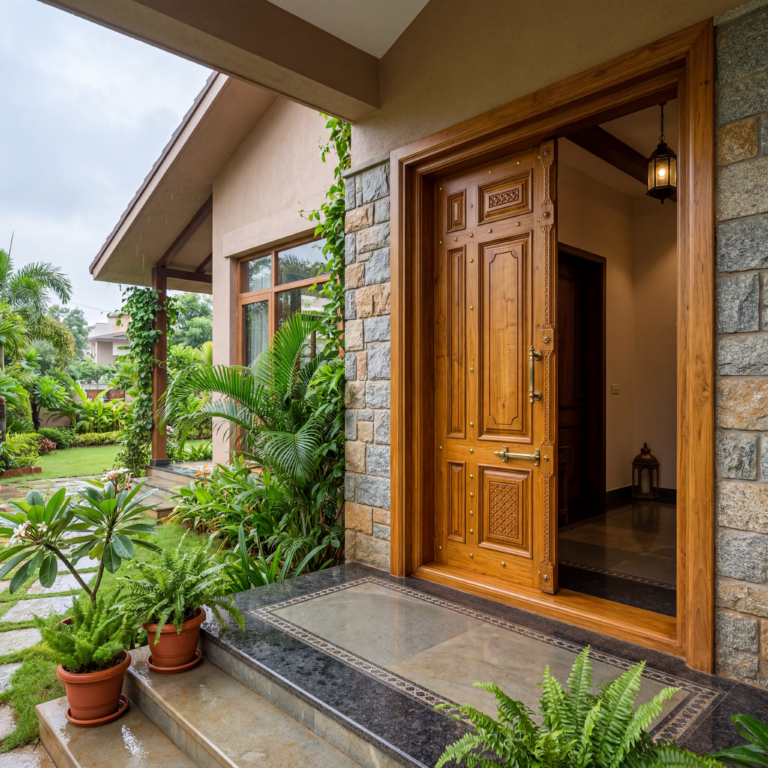
Best Uses for Genuine Burma Teak:
- Main entrance doors (security, weather exposure, prestige)
- Window frames in monsoon-facing walls
- Outdoor furniture (Tikovina brand at TFS World)
- Heritage property renovations
- High-traffic commercial doors
Where Alternatives Suffice:
- Interior bedroom doors (less weather exposure)
- Interior furniture in climate-controlled spaces
- Decorative elements without structural load
TFS World offers both genuine Burma teak for premium applications and quality alternatives (Border Teak, Mahogany, Oak, Ash) for budget-conscious projects — helping customers allocate resources effectively.
See Authentic Burma Teak With Expert Guidance
Visit TFS World at Metro Pillar 497, Mysore Road to compare genuine Burma teak against plantation alternatives. Experience the weight, oil content, and grain differences firsthand. Our Tikovina brand Burma teak outdoor furniture demonstrates the material’s exceptional weather resistance.
TFS World
Metro Pillar no. 497, Near Jnana Bharathi Metro Station, Off Mysore Road, Bangalore - 560039
Frequently Asked Questions
Yes, but only as finished products (doors, furniture, flooring), not raw logs. The ban protects Myanmar’s forests while allowing sustainable trade in manufactured products.
Burma teak grows 30-50 years developing density and oil content. Plantation teak harvests at 15-20 years. Add Myanmar manufacturing costs, international shipping, and import duties. However, Burma teak’s 40-60 year lifespan vs 15-25 years for plantation justifies the premium.
Physical characteristics include heavier weight, fine tightly-spaced grain, natural oily feel, and rich golden-brown colour. However, the most reliable approach is working with established suppliers like TFS World who have long-standing relationships with verified Myanmar manufacturers.
Yes. Bangalore’s humidity swings (60-85%) and temperature variations (15°C-35°C) cause wood expansion/contraction. Burma teak’s high oil content prevents moisture absorption during monsoons while dense grain resists dimensional changes that crack lesser woods in dry winters.
Both are genuine teak (Tectona grandis), but growing conditions differ. Burma teak grows in Myanmar’s monsoon forests (slow growth, high oil, dense grain). African teak grows in drier climates (faster growth, lower oil, lighter density). African teak is a good wood but it doesn’t match Burma teak’s performance in the Indian climate.
Possibly. Some suppliers imported logs before the 2014 ban. However, this stock is nearly exhausted by 2026. Be cautious with claims of significant pre-2014 inventory.
TFS World at Metro Pillar 497, Mysore Road maintains Burma teak inventory. Their Tikovina brand outdoor furniture showcases authentic Burma teak. Compare it against plantation alternatives to understand the quality difference.
Related Post
 How to Identify Genuine Burma Teak: 4 Tests Anyone Can Do Before Buying
 TYPES OF WOODEN FLOORING
 HOW TO CHOOSE WOODEN DOORS: BUYER’S GUIDE INDIA 2026
 Which Wood is Best for Bed? Best Wooden Bed Frames Guide
 Best Wood for Pooja Room Doors: Complete Guide for Indian Homes
 Wood Flooring Maintenance 101: Seasonal Care Guide for Indian Homes
 5 Common Mistakes People Make When Buying Wooden Doors (And How to Avoid Them)
 Teak Wood Main Door Price in Bangalore: Complete 2025 Price Guide
 Best Wood for Furniture in India: The Complete Comparison Guide
 Teak Wood Price in Bangalore – Latest Rates & Quality Options
 What is the Difference Between Sawnwood and Thermowood?
 Best Wood For Furniture: 12 Expert Picks You Should Know
 What is the Difference Between Teak and Burma Teak Wood?